

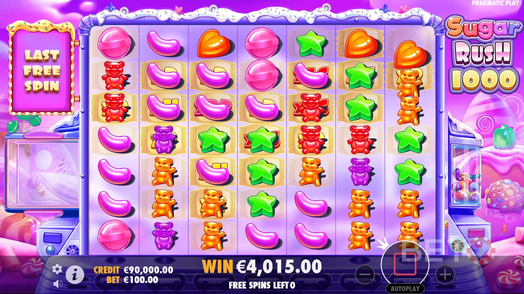





How Sugar Rush 1000 Maxwin Works
We explain the meaning of the highest possible win, demo mode, and budget controls for a relaxed gaming experience in Poland in 2026.
Top Win and How to Think About It
A top win sounds like a promise, but in practice, it is merely the upper cap of the game mechanics—not something that "must" happen. Imagine hitting a few spins during your coffee break, and after two minutes catching yourself thinking: "just one more, maybe now." This is normal—which is why it’s wise to view win potential like a risk map, not a daily plan. Slot games are entirely based on randomness, and a single session can be unpredictable: short streaks one day, longer dry spells the next. The most sensible approach is to set process-oriented goals (e.g., testing settings, observing game speed, managing stake sizes) rather than outcome-based targets.
All promotional incentive structure is clearly stated in writing and/or via electronic means in an easily understood manner. All codes are accompanied by an explanation of what the code is for, who is eligible to use the code, and how it should be used. As such, players are less likely to be confused about what is required of them in order to receive a reward and how the reward will be applied after receiving it. The promotional incentives provided to participants provide them with time to become familiar with the gaming system's mechanics, their interface, and progress, before deciding how deeply they wish to become involved with this platform. Therefore, players are encouraged to participate in an informed manner, rather than being pressured or tempted to act quickly.
Account Settings and Player Limits for Players from Poland
Before you start, set things up that later save your session: time limit, deposit limit, and break reminders. Often, players from Poland begin "on a relax," only realizing after a longer series of spins that the budget is dwindling faster than anticipated. Suppose you play in the evening on your phone and don’t want to end up feeling everything was impulsive—that’s when simple locks make a difference. Choose in advance the amount for a single session, set the maximum stake at the start, and stick to the rule: when emotions rise, decisions should be simpler, not "smarter." In practice, it’s not the limits that ruin fun, but the lack of boundaries that ruins control.
|
Session Setup |
How to Set Up from the Start |
Why Do This |
Signal to Change |
|
Time Limit |
20-40 minutes per session |
To avoid falling into autopilot |
When you play longer "without a plan" |
|
Budget Limit |
Fixed amount only for this session |
Protects against chasing losses |
When you raise the stake out of nerves |
|
Break Reminder |
Every 10-15 minutes |
Resets emotions and pace |
When you catch yourself in a hurry |
|
Stake Change Rule |
Change rarely, according to a plan |
Stabilizes risk |
When the stake jumps every few spins |
Sugar Rush 1000 Max Win and Realistic Expectations
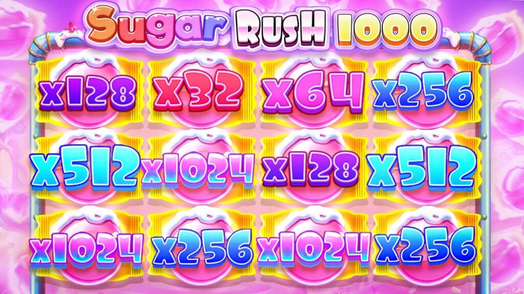
This phrase often draws attention because it suggests "maximum", yet the real benefit of thinking about the win cap is different: it helps set expectations and your playing style. If you’re counting on one magical round, it’s easy to miss the basics: tempo, stake, session length, and the moment to quit. Think of it this way: it’s better to enter the game with a 30-minute plan and calmly fulfill it, rather than stay indefinitely, thinking "it might still hit." Usually, session management determines whether the game remains a pastime or starts controlling you.
How to Read the Paytable Without Guessing
First, focus on what actually builds your result: which symbols yield meaningful payouts, which combinations trigger bonus rounds, and whether multipliers appear in the game. Imagine you see flashy animations and immediately assume "this was the round", only to find out it was just a small bonus. Instead of guessing, establish a simple rhythm: a few minutes to review the rules, then a short test session on a fixed stake. Then you’ll know whether the game suits you (tempo, dynamics, frequency of small hits), not just whether it was lucky in the first five spins.
Sugar Rush 1000 Max Win in Practice: Functionality
In practice, the highest payouts come from rare combinations of events: a strong symbol configuration, an extra feature, and a favorable multiplier timing. Often, a player sees two strong elements and starts "constructing the story" in their head: since things are hot now, something even better must follow—this is a trap. Better to adopt a calm premise: each round is independent, and you control only what happens before spins—the stake, the limit, and the decision to take a break. If you want to test features, do so in short blocks and record impressions, as emotional memory can be selective.
Volatility, Streaks, and a Cool Head
Volatility describes how a game distributes hits: sometimes smaller wins occur more frequently, sometimes silence lasts longer, then a larger win suddenly appears. Suppose you hit two pleasant results in a row—easily you might consider it a "trend." It isn’t. Instead of reacting with euphoria, hold your stake and monitor the pace, as these are the only things you can meaningfully compare across sessions.
Difference Between Demo and Real-Money Play
The demo mode perfectly demonstrates mechanics but does not guarantee what you’ll feel once stakes become real. If you play demo at work or on the tram, emotions are lower, decisions more calm. In real sessions, you’re more likely to speed up, click auto-play, and raise stakes "because time is precious." Therefore, treat demo as training for habits: fixed stake, time limit, mindful breaks.
Demo Mode: Testing, Pace, and Notes
Demo has one huge advantage: you can test whether the game’s rhythm fits you before scoring pressure appears. Imagine you only want to see how special rounds look, but soon realize you’re clicking faster because "something should land already." In demo, do the opposite: slow down, set a short session, and observe the mechanics like testing an app—not a lottery. In 2026, most players use phones, so also check ergonomic controls: symbol readability, responsiveness, and whether it’s easy to find limit settings.
Stake, Number of Spins, and Session Plan
The simplest plan works best: one fixed stake, predetermined number of spins, and a clear end. Usually, players tell themselves "I’ll just play a bit," and that moment turns into an hour because there was no stopping point. If you’re just starting, set, for example, one test block, then a break, only then another block. During the session, ask yourself one question: am I playing as I did at the start, or am I reacting emotionally? When you sense urgency, return to slower pace or end the block instead of searching for a "better moment."
When to Reduce Risk Instead of Chasing Losses
Chasing losses starts innocently: "I’ll recover and finish." Imagine that after a series of empty spins, you raise your stake to quickly see if "anything moves." Often this ends with even greater pressure. Better to have a pre-set rule: after a specific number of spins without meaningful hits, take a break or end the session. You also reduce risk via stability: fewer stake changes, less auto-play, more conscious decisions. The game doesn’t reward nerves—it rewards chance, and chance has no memory.
Buying Bonus Features Without Rush
Buying a special round tempts because it skips "waiting," yet it’s still the same randomness, just repackaged. Often, players buy features when already情绪-fully charged, wanting faster results. Instead, treat it as a separate financial decision: decide in advance whether you’ll test this option in this session, and how many times at most. If after purchase you feel no satisfaction, don’t immediately buy again—take a break and assess objectively whether it fits your playing style.
Deposits, Withdrawals, and Account Security
Convenient play starts with basics: secure login, organized payment methods, and clear withdrawal rules. Suppose after a successful session you want to quickly request a withdrawal, only to be suddenly asked for additional data—that’s when stress rises, although this is a common security measure. In Poland, it's best to stick from the beginning to one verified deposit method and maintain consistent profile data. Most importantly: don’t leave verification until "when you’re already in a rush." Better to prepare your account calmly before regularly playing.
Deposit: Step by Step and Minimal Controls
Depositing can be simple, yet most problems arise from rushing: typos, wrong currency, missed limits. Imagine making a deposit quickly because "you just want to try," only to later catch yourself betting more than planned. That’s why first set deposit limits, then make the transaction. Follow a one-step-at-a-time rule: method, amount, confirmation, balance check. If the platform offers additional safeguards (e.g., confirmations), treat them as a shield, not an obstacle.
Withdrawal: What Speeds It Up and What Delays It
Consistency usually speeds things up: the same data, same method, no chaos in payment history. Often delays occur due to missing verification, profile discrepancies, or trying to change the withdrawal method "at the last minute." If you play in the evening and plan a withdrawal, don’t assume everything will always happen instantly—sometimes additional security checks are needed. In practice, the best strategy is planning: withdrawal after finishing the session, no concurrent deposits, no nervous clicking, because this neither speeds things up nor prevents errors.
Support and Documents Without Nerves
Contact with support works best when you describe the issue precisely: what you did, what you see on screen, the last step taken. Imagine writing "doesn’t work"—then losing time on clarifications. Instead, prepare a short note: date, payment method, stage, message. Treat verification documents as standard protection for adult users and compliance with regulations, not as a "punishment." The calmer your approach, the fewer frustrations along the way, especially when playing from a phone where data mistakes are easy.
Timeout, Self-Exclusion, and Gambling Hygiene
Responsible gaming tools are not for "other people"—they’re for everyone wanting to stay in control. Suppose you have a bad day and enter the game to distract yourself, yet after 15 minutes feel tension instead of relaxation. This is a good moment for a timeout: a short, pre-set break with no negotiations with yourself. Self-exclusion helps when you know you need a longer reset. Gambling hygiene includes simple habits: playing only during set hours, sober, no "chasing," with breaks and clear session ends.
Mobile Play in 2026: Settings
Phones are convenient but require discipline: one tap can accelerate pace and lose time control. Often players game "in the background"—in queues, during series—and only after a while realize they’re clicking mindlessly. That’s why use auto-play cautiously or avoid it entirely if you’re prone to autopilot. Also check notifications and screen brightness—small details, yet tired eyes increase impulsivity. It helps to have one fixed playing spot and one fixed time, simplifying decisions.
Most Common Mistakes and Quick Fixes
Most common mistake is playing without a plan: stakes jump, breaks vanish, sessions stretch. Imagine playing five minutes, then "just five more," suddenly an hour passes—that usually results from no simple time limit. Second issue: chaos in account data—different name variants, varied payment methods, no verification—then come questions and nerves. Third mistake: chasing—after a weaker stretch you click faster, raise stakes to "recover." The fix is dull but effective: revert to fixed stakes, take a break, end session per plan.
FAQ
How to assess win potential without falling for myths?
Best approach is treating it like mechanics analysis: check rules, symbols, special round logic, and whether multipliers or extra features appear. Then run a short test session in demo mode on fixed stakes, observing pace—not searching for "that one round," but learning how the game behaves. If after 20-30 minutes you know whether the dynamics and risk level suit you, you already have practical knowledge. The rest is randomness, impossible to plan.
How does demo mode work, and are results reliable?
Demo shows game mechanics—how symbols fall, when special rounds appear, and what the game pace is like. Results aren’t a promise of real-money outcomes because each round is random, and your emotions during real money play are usually stronger. Demo is reliable as habit training: fixed stake, time limit, breaks, calm pace. If in demo you already catch yourself rushing, the tendency will likely increase in real sessions, so treat it seriously.
What to do when a session gets too long?
Stop and change context, not just the game. First, take a few minutes without screens, then make a quick decision: end this block or return to a clearly set limit. A simple ritual also helps: set a timer before starting and stick to it without negotiation, even if you "feel something is about to land." Long sessions often stem not from a plan but emotions and autopilot, so a pre-set boundary is the best tool. If you notice this happening repeatedly, consider a longer timeout to regain clarity.
How to choose stakes when budget is limited?
With limited budget, priority is choosing stakes that let you complete a meaningful number of spins without pressure of quick exhaustion. Set an amount for a single session, divide into blocks, pick stakes that don’t force immediate increases after weaker stretches. A good practice is the rule of infrequent changes: if you change stakes, do so according to plan, not impulse. Limited budget doesn’t mean worse fun, as long as you control pace and session end.
Does buying bonus rounds always make sense?
Not always—it’s still randomness, just a shortcut to features. If you buy rounds out of curiosity about mechanics, it’s logically sensible—especially when done planned and within session limits. If you buy because you want to "recover" or feel pressure, risk increases, satisfaction usually declines. Most sensible is deciding in advance whether you’ll use this option at all in this session and how many times max. After each such decision, take a break to assess it calmly.
Why might withdrawal require additional verification?
Additional verification is standard security and compliance for adult users, not a "feeling" of the platform. It typically confirms data, payment method consistency, and protects against misuse. In practice, withdrawals speed up with order: filled-in profile data, one method, no chaos in transactions. If asked for documents, respond calmly and provide what’s requested, without manipulation or changing data mid-process. Nervous actions usually only extend the process.
How to protect your account when playing on mobile?
Start with basics: strong password, avoid logging in from other devices, caution on public networks. Enable additional security if available, and don’t save sensitive data "for convenience" if phone is sometimes out of your control. App hygiene also helps: system updates, screen lock, organized notifications to avoid impulsive clicking. If playing mobile, set time and break limits, as small screens make fast pace easier to fall into. Account protection is not one trick, but several simple habits working together.